Jean-Christophe Liberge
in Maria
EXHIBITION
(Dé)Visages [(Un)Faces]
Jean-Christophe Liberge, Carleton-sur-Mer, Québec | jean-christophe-liberge.com
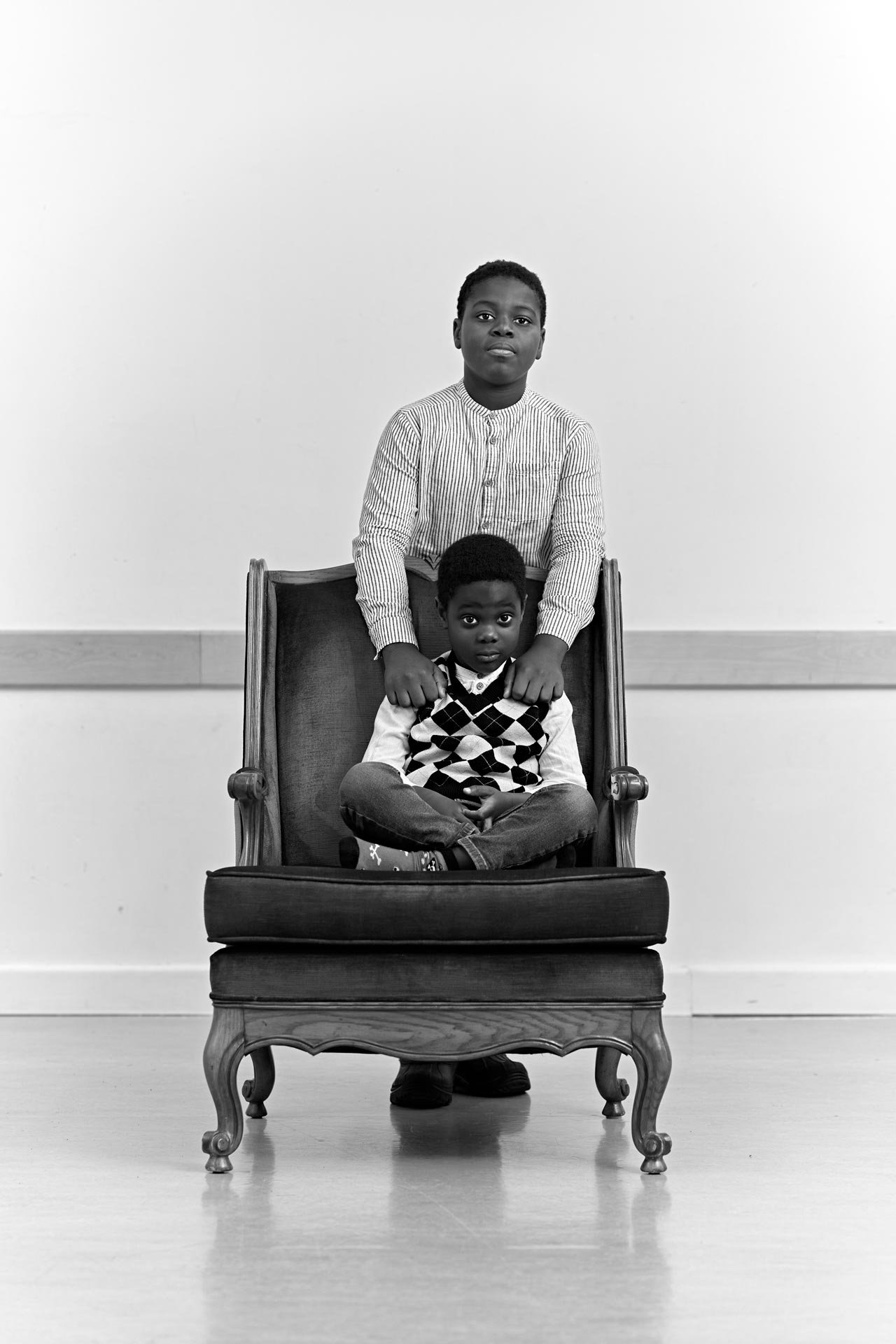
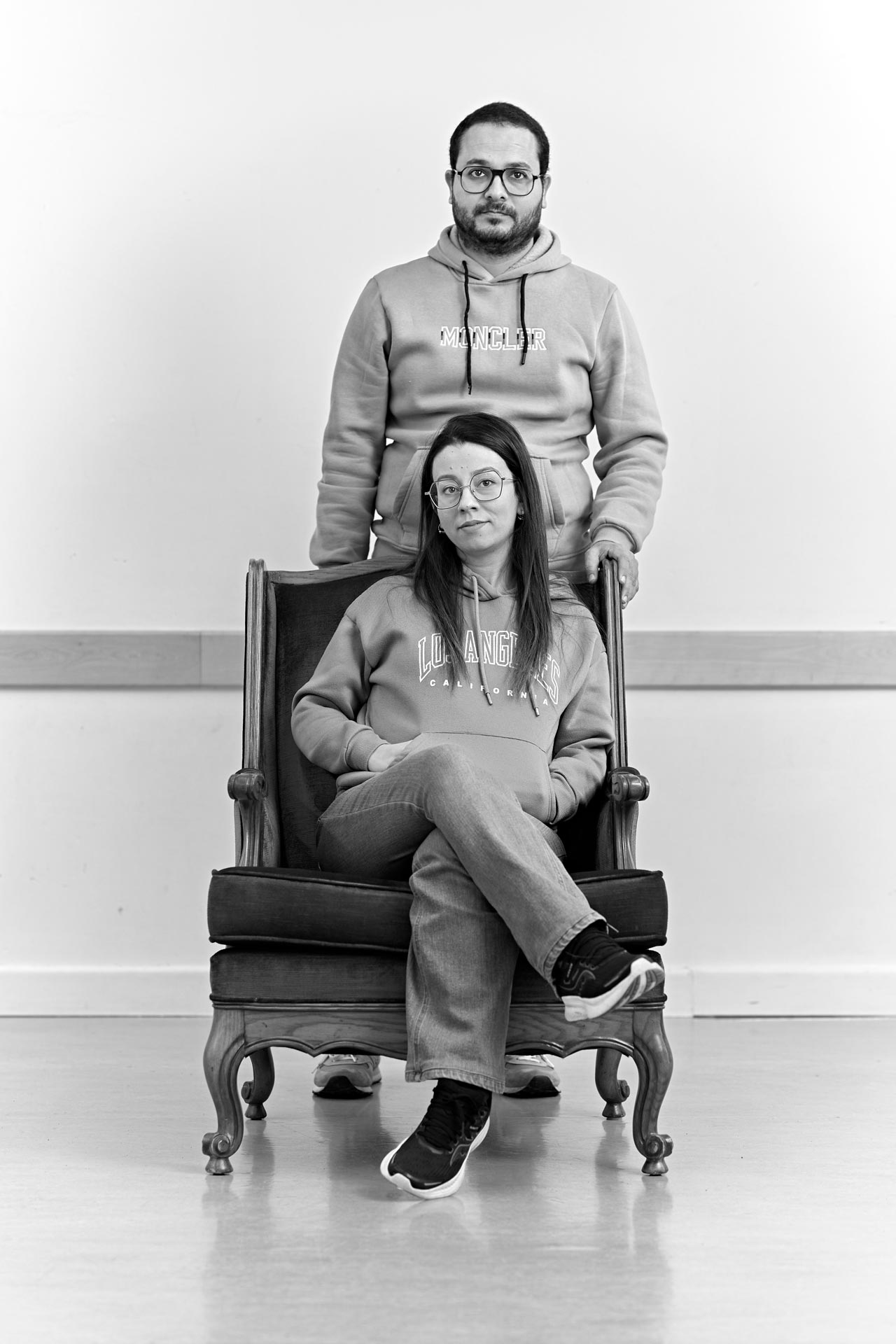
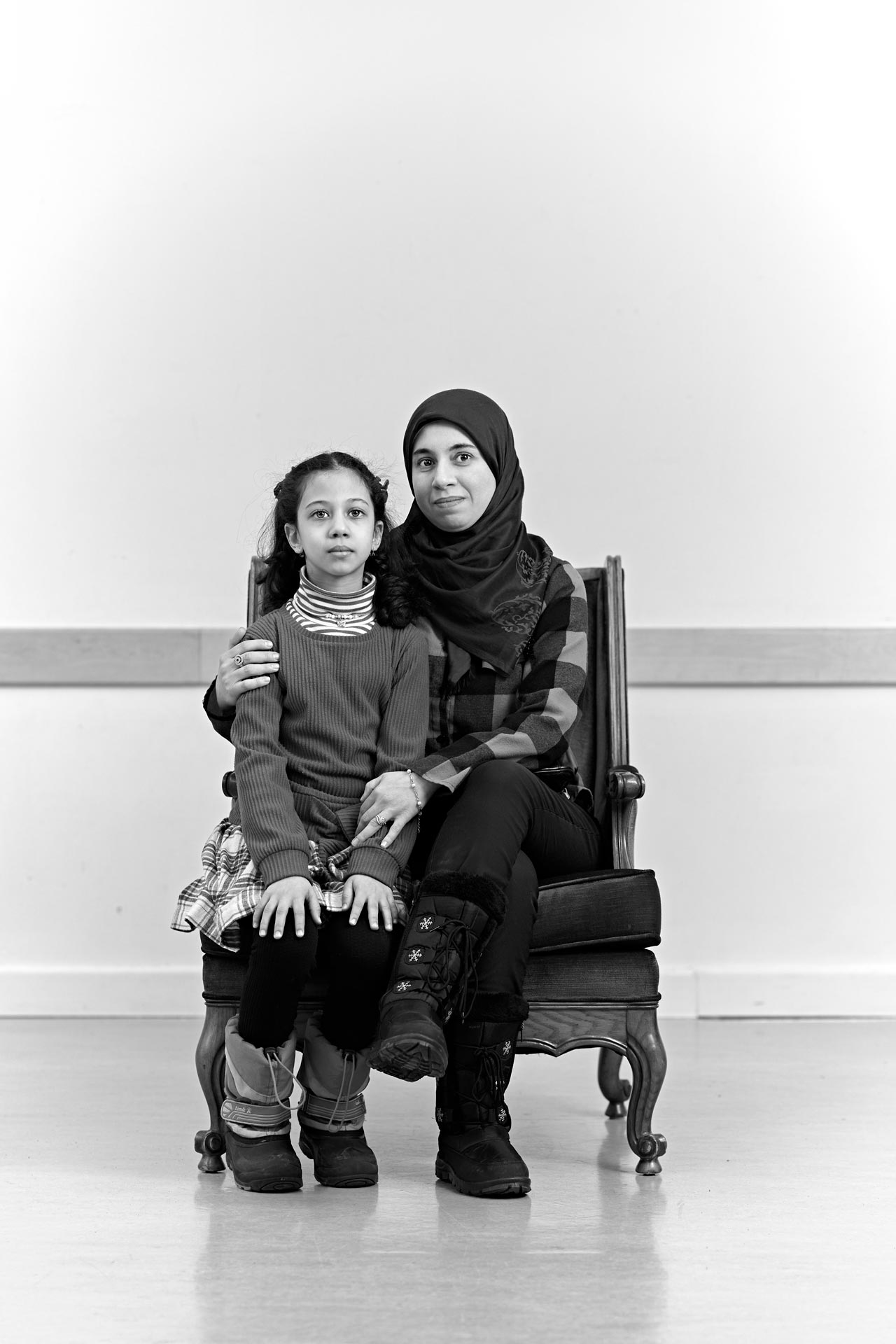
A work about the search for identity and confronting the perceptions of others.
North America has been a land of immigration for centuries. First hailing from the European continent, the new migrants now arrive from Asia, Africa or South America. The Gaspé has nevertheless remained a rural territory and very much rooted in its traditions. The Québec region and therefore the Gaspé itself were built on the cultural richness of these different waves of migration.
But our North American society is subject to the rules of the market economy, which propel us in the direction of a sanitized, standardized way of living. Differences are pointed out as soon as we need to find a reason for our anxieties. And yet, what constitutes the richness of our society is the complexity of the individuals who make it up: their differences, above all, be they cultural, social or ethnic.
It’s that contrast between our normalizing environment and our individual differences that I sought to express in my photos. I worked up the background in such a way as to convey that societal uniformity: it is bland and linear. The setting fades away to make way for these beings who shine with their uniqueness and differences. And the better to express the challenges that are theirs to overcome in this New World, I asked each of them to express the seriousness, the courage and the pride that define them in their quest for a better life.
JEAN-CHRISTOPHE LIBERGE IN MARIA
(Dé)Visages
A native of Évreux, Normandy, who settled in Carleton-sur-Mer in the Gaspé, Jean-Christophe Liberge is an artist who is developing a documentary practice focused on social and environmental issues. Selected as part of the 2024 Culture et Ruralité call for proposals, he completed an artist residency in the Avignon RCM in 2025 dedicated to the impact of environmental transformations on fragile regions and on the people who live there. The series (Dé)Visages is the culmination of that research.