
Renaud Philippe
in Gaspé
EXHIBITION
Retomada
Renaud Philippe, Québec City, Québec | www.renaudphilippe.com
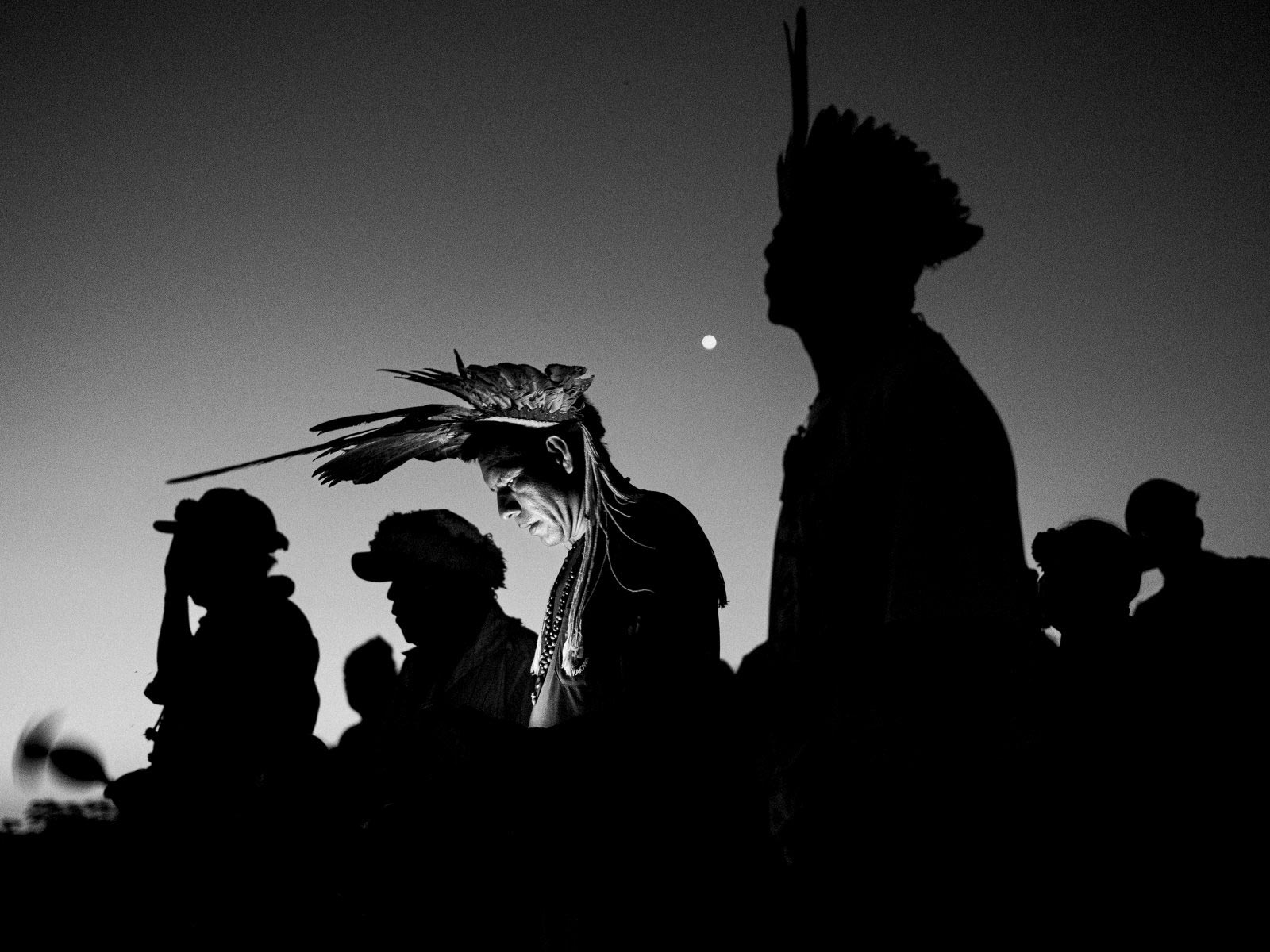
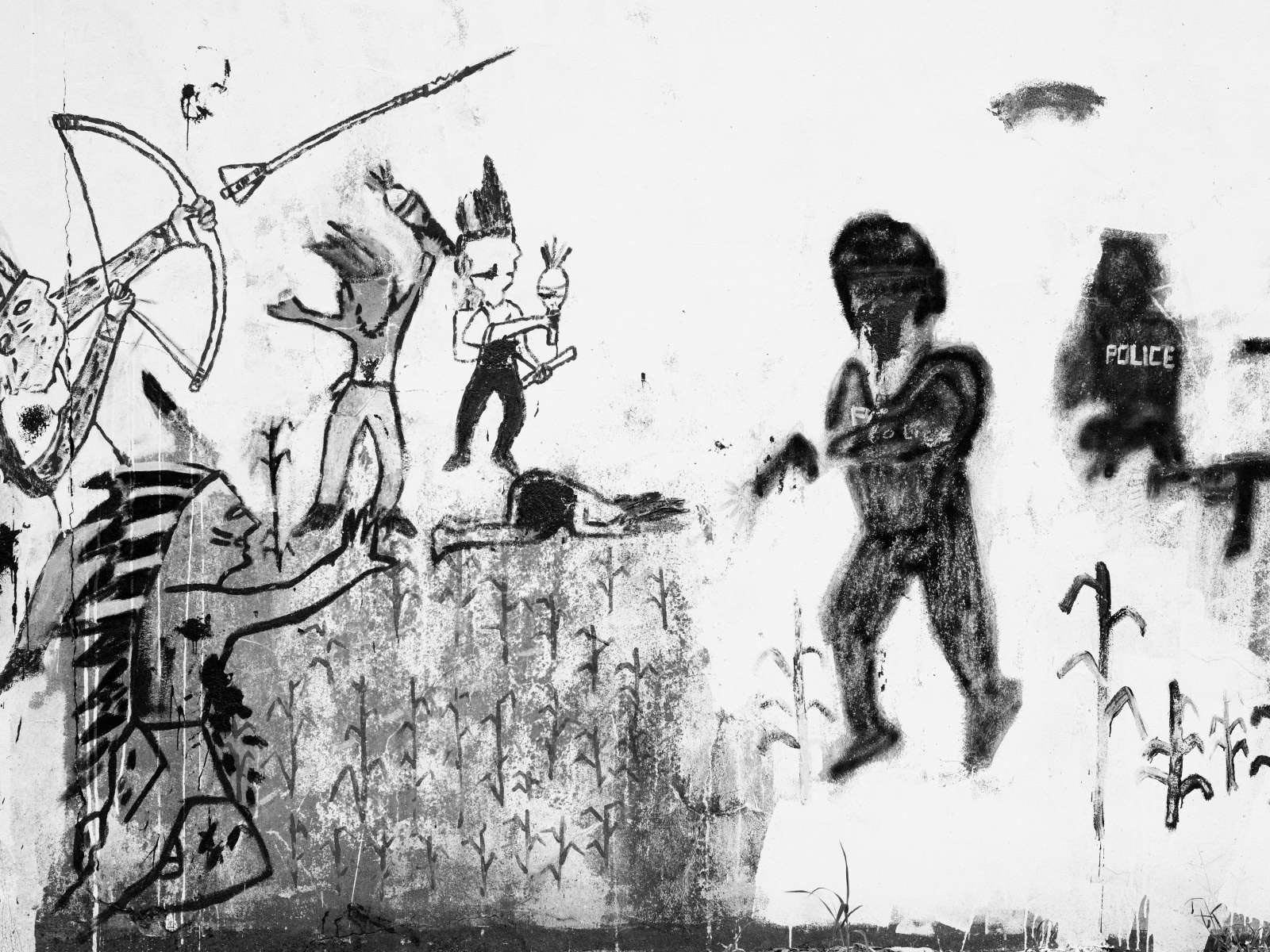
The Retomada is a movement for the reclamation of ancestral lands led by the Guarani indigenous people in Brazil. Their struggle, deeply rooted in historical resistance, is marked by systemic violence. Local police forces, often complicit with agro-industrial interests and their militias, fuel this conflict, which the Guarani describe as a “slow genocide.”
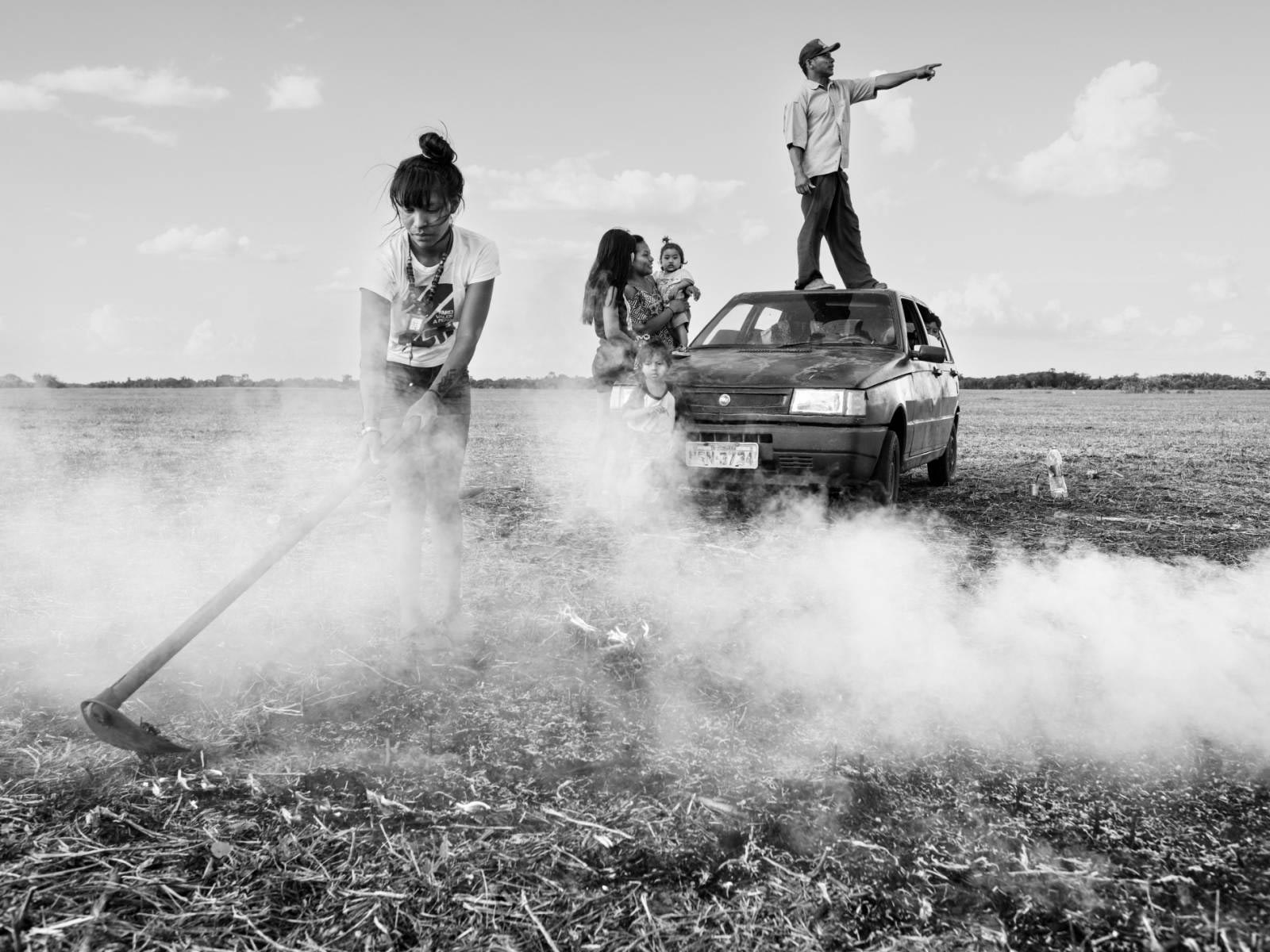
Since the 1980s, many Guarani communities have been fighting to reclaim parts of their ancestral lands, stolen and devastated by agro-industry. The history of this dispossession dates back to the mid-20th century with the massive arrival of settlers from Italy and Germany in the states of Paraná and Mato Grosso do Sul — an influence still visible today. This marked the beginning of a period of massive deforestation that, in just a few decades, led to the disappearance of nearly 90 percent of the Brazilian Atlantic Forest, replacing its rich biodiversity with vast monocultures of soy and corn. Today, while agro-industry controls these fertile lands, the Guarani have been confined to reserves.
In the Retomadas, wherever the Guarani reclaim even a tiny plot of land, the forest begins to return. This reappropriation is not only a territorial struggle but an ecological one; it embodies the fight that all of humanity must wage to ensure its own survival.
This work is carried out in collaboration with Brazilian anthropologist Carol Mira and the many Guarani communities we work with.
“We are protectors
guardians of the forest, guardians of the living,
guardians of seeds
Our goal is to reforest our minds,
the soul of society, Mother Earth
Every day, she cries out for help
But greed drowns out her voice”
Paulina Martines — Avá-Guarani Leader
EXHIBITION AT RENCONTRES
Retomada
Renaud Philippe (b. 1984) is a documentary photographer based in Québec City. A freelance photographer since 2006 and a regular contributor to The New York Times, he examines the long-term impacts of war and climate crises on civilian populations. Today his work focuses on anti-colonial and environmental movements. Taking an anthropological and humanist approach, he explores themes of forced displacement and collective trauma, weaving together contemporary geopolitics with historical memory. His work has been showcased at Visa pour l’Image (France), the Angkor Photo Festival (Cambodia) and the Barcelona International Photography Festival (Spain).